Exploring the Essence of Contemporary Architectural Design in Today's World
- Suraj Singh

- Aug 8, 2025
- 3 min read
Contemporary architecture captures the spirit of our era. It mirrors the values, technologies, and aesthetic preferences of modern society. As urban landscapes transform and the demands of their inhabitants evolve, architects strive to create spaces that are both functional and inspiring. This post explores what defines contemporary architectural design, highlighting its key features, notable examples, and its significance in our everyday lives.
The Characteristics of Contemporary Architecture
Contemporary architecture uses innovative materials, shapes, and technologies. One of its most prominent features is sustainability. Today's architects prioritize eco-friendly designs that minimize environmental impacts. According to a report from the World Green Building Council, buildings are responsible for about 39% of global carbon emissions. Consequently, many architects focus on using renewable resources and energy-efficient designs. For example, the Bullitt Center in Seattle, often referred to as the greenest commercial building in the world, produces more energy than it consumes.
Another defining characteristic is the seamless integration of indoor and outdoor spaces. Large windows, open floor plans, and an abundance of natural light create strong connections between buildings and nature. A study conducted by the University of Oregon showed that exposure to natural light in workspaces increases employee productivity by up to 15%.
Contemporary architecture also embraces minimalism, featuring clean lines, simple forms, and a lack of excessive ornamentation. This approach highlights the functionality and beauty of materials like concrete, glass, and steel.
Notable Examples of Contemporary Architecture
The Guggenheim Museum Bilbao
The Guggenheim Museum in Bilbao, Spain, designed by Frank Gehry, is a prime example of contemporary architecture. Completed in 1997, it is famous for its innovative design, featuring organic shapes and a striking titanium exterior. The museum has attracted over 20 million visitors since its opening, significantly boosting Bilbao’s economy and cultural standing.
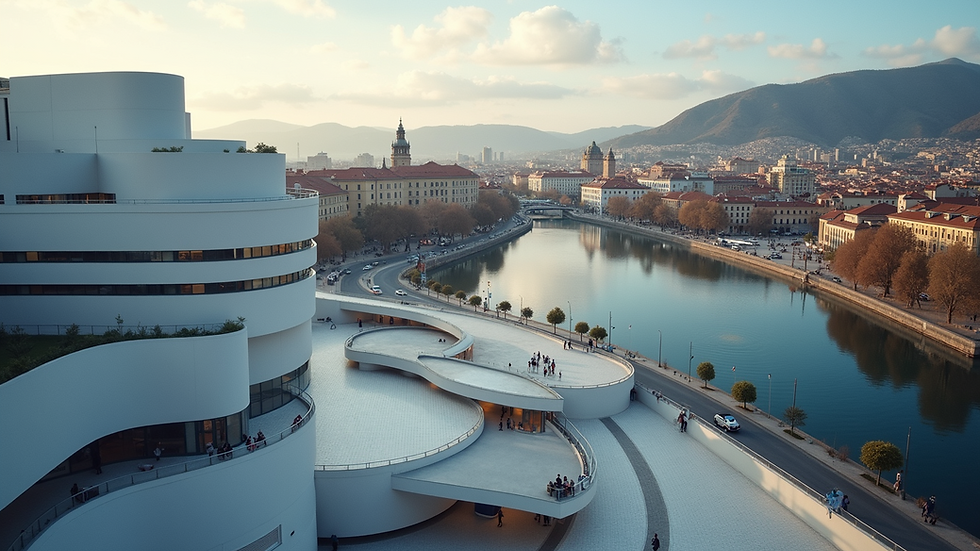
It exemplifies how contemporary architecture can rejuvenate urban landscapes and enhance cultural identity. Its unique forms challenge conventional architectural design, making it a landmark of modern creativity.
The Sydney Opera House
The Sydney Opera House, designed by Jørn Utzon and completed in 1973, is another outstanding example. Its sail-like roof structure has become an enduring symbol of Sydney. The design ingeniously balances artistic expression with practical functionality, hosting over 1,500 performances each year.

The Sydney Opera House illustrates the potential of contemporary architecture to deliver iconic designs that resonate with both residents and visitors. Its innovative architecture serves a vital purpose while standing as a beacon of creativity.
The Role of Technology in Contemporary Architecture
Technology plays a vital role in modern architectural design. Advances in building materials, construction methods, and design software broaden the scope for architects. For example, 3D printing allows for intricate and customized structures that were once thought impossible.
Additionally, smart building technologies are on the rise. These innovations make buildings not only more energy-efficient but also capable of adapting to occupant needs. For example, automated lighting and climate control systems can lead to a potential energy savings of 30% or more, as noted by the U.S. Department of Energy.
The Impact of Contemporary Architecture on Society
Contemporary architecture deeply influences how we engage with our surroundings. Thoughtfully designed spaces encourage community interactions, enhance social cohesion, and uplift residents' quality of life.
Public areas, including parks, plazas, and community centers benefit from current architectural philosophies. Spaces designed with accessibility and inclusivity in mind invite people to gather, fostering a sense of belonging. Studies show that vibrant public spaces can increase community involvement and lower crime rates.
Moreover, contemporary designs often tackle urgent social issues, like affordable housing and urban density. Architects are increasingly challenged to create visually appealing structures that meet social needs. The rise of micro-apartments is one such innovative response, addressing urban housing crises in bustling cities like New York and San Francisco.
The Future of Contemporary Architecture
Looking ahead, contemporary architecture will continue to adapt to shifting societal needs and environmental challenges. The focus on sustainability is expected to deepen, with architects seeking new materials and methods that further lower buildings' carbon footprints.
Additionally, biophilic design—creating spaces that bridge the gap between nature and urban life—will gain prominence. This design philosophy enhances well-being and mental health by incorporating natural elements. A study published in the journal Health & Place reveals that buildings with natural features can improve occupant mood and reduce stress levels.
Contemporary architecture is a dynamic field that reflects the complexities of modern existence. Through innovative design, sustainability, and community focus, architects shape the spaces we inhabit and influence how we interact with the world. As we explore the core of contemporary architectural design, it becomes clear that these structures represent more than mere buildings; they embody our values, aspirations, and vision for the future.


Comments